When Complaining Is Actually Self-Theft
For a long time, I didn’t think of myself as someone who complained.
I always associated complaining with being negative or stuck—saying the same frustrations out loud, circling the same problems, staying in a heavy mindset. That didn’t feel like me. I try to be thoughtful. I reflect. I genuinely care about gratitude and growth.
But awareness has a way of gently pointing out where we’re misaligned, even when we’re doing our best. Especially when we’re doing our best.
What I eventually noticed wasn’t something I was saying out loud. It was something happening quietly inside me.
I was comparing.
I compared my pace to other people’s. My progress. My clarity. My creativity. My season of life. And every time I did, something subtle but important happened—my joy slipped away. Not dramatically. Not all at once. Just enough that the moment felt a little less full.
Asteya, Explained Like a Real Person
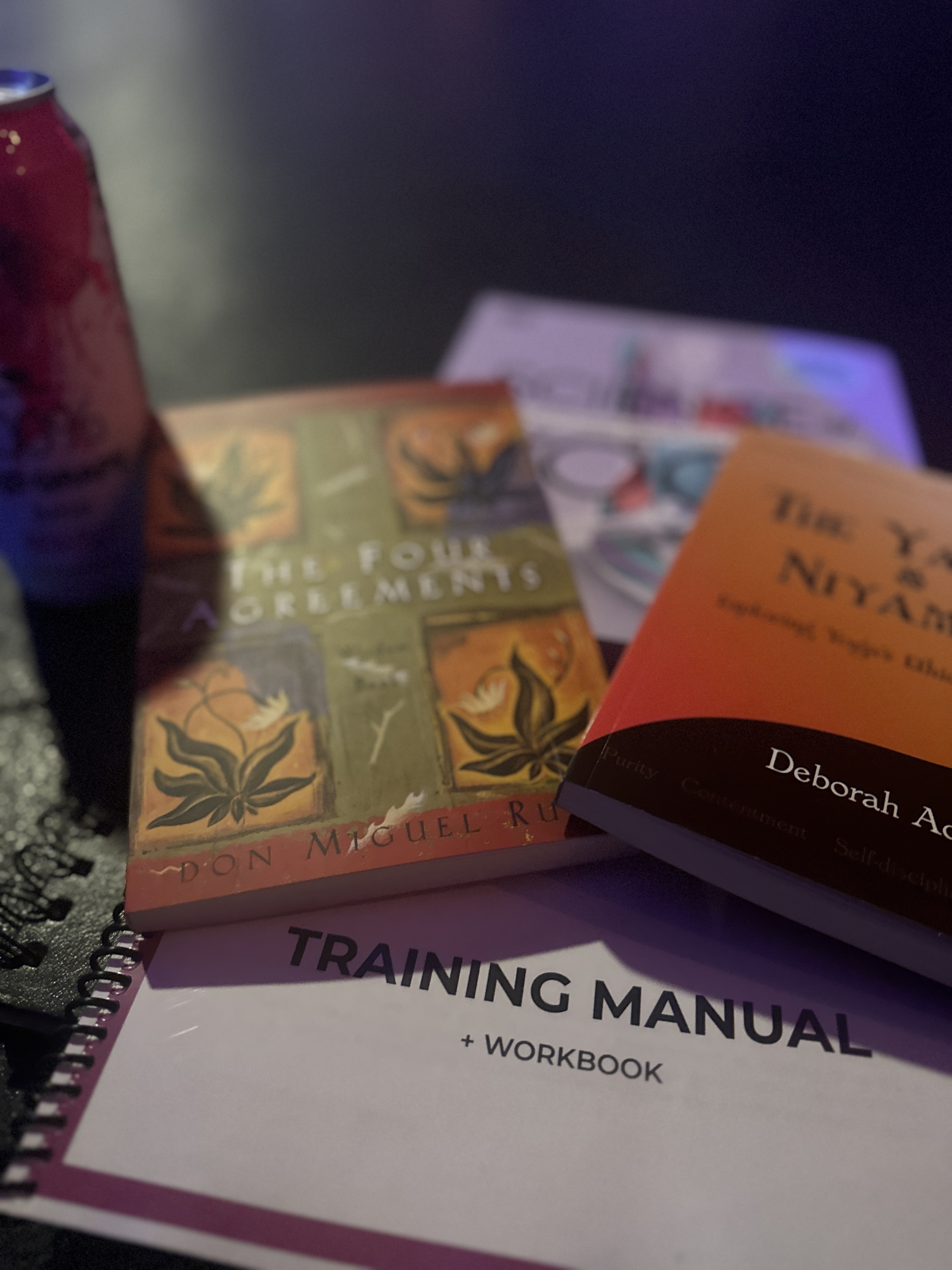
In yoga philosophy, there’s a principle called Asteya. It’s one of the foundational guidelines that help us live with integrity, both with others and with ourselves. Asteya is often translated as non-stealing.
Most of us hear that and think of obvious things—don’t take what isn’t yours, don’t drain people’s energy, don’t waste time. All true.
What I didn’t realize for a long time was how often I was stealing from myself.
Every time I compared my path to someone else’s, I took something that was already mine—my presence, my contentment, my ability to actually be where I was. I wasn’t doing anything wrong on the outside, but internally, I had stepped out of my own lane.
That’s when it clicked: comparison isn’t harmless. It costs something.
How Comparison Turns Into Complaining
Here’s what surprised me the most.
When comparison sits in your mind long enough, it starts to sound like a complaint. Not loud or dramatic—just familiar, passing thoughts that feel almost reasonable.
Things like, I should be further by now. Or why does this feel harder for me? Or everyone else seems so clear.
I never labeled those thoughts as complaining. But underneath them was resistance—resistance to my own timing, my own unfolding. And resistance, I’ve learned, is often another way of saying, I don’t trust where I am.
That realization softened something in me. Because instead of judging myself, I could listen.
Where This Fits Into Yoga (Without the Lecture)
Asteya is part of a larger framework in yoga called the Yamas and Niyamas—essentially a set of principles meant to help us live with awareness and care. They’re not rules or moral checklists. They’re more like mirrors.
Asteya connects beautifully to contentment and self-study. When I compare, I step out of presence. When I rush myself, I disconnect from what’s actually working. When I complain—internally or out loud—I’m usually reacting to a moment I haven’t fully accepted yet.
None of this makes me wrong. It just gives me information.
What Changed When I Started Noticing
Yoga didn’t ask me to stop comparing overnight. It didn’t ask me to force gratitude or pretend everything was fine.
It asked me to notice sooner.
So instead of correcting the thought, I started pausing. I’d ask myself simple, honest questions. What am I actually feeling right now? Am I present, or am I measuring? Did joy leave when comparison showed up?
That pause became the practice.
Because Asteya isn’t about perfection—it’s about integrity. It’s about staying with the moment you’re in instead of wishing it looked like someone else’s.
Making It Practical (Because We Live Real Lives)
Now, when I catch myself complaining—internally or out loud—I gently trace it back. Almost every time, it leads to comparison.
So my practice looks simple and doable, not dramatic.
I ask myself: Where did I rush myself today? Where did I mentally leave my own lane? What did I take from myself by comparing?
Then I reframe. Not in a forced way—just in a grounding one. What would it look like to honor my pace right now? What’s actually working that I skipped over?
No fixing. No pressure. Just returning.
What I’m Sitting With Lately
When someone asks me what I complain about the most, my honest answer is this: I complain when I forget to honor my own path.
The practice for me isn’t silence or positivity. It’s remembrance.
Remembering that joy doesn’t need to be earned by speed. Remembering that comparison steals what presence freely gives. Remembering that Asteya includes me, too.
If this reflection resonates, you’re not alone in it.
I’ve been holding space for these conversations in a small women’s group — not to fix ourselves, but to notice, reflect, and practice awareness together.
Over the next few weeks, we’ll be meeting virtually to talk about themes like comparison, joy, self-trust, and how these ideas actually show up in real life.
If that feels supportive to you, you’re warmly welcome. To be included, subscribe or drop your email below.

 Christine Walker